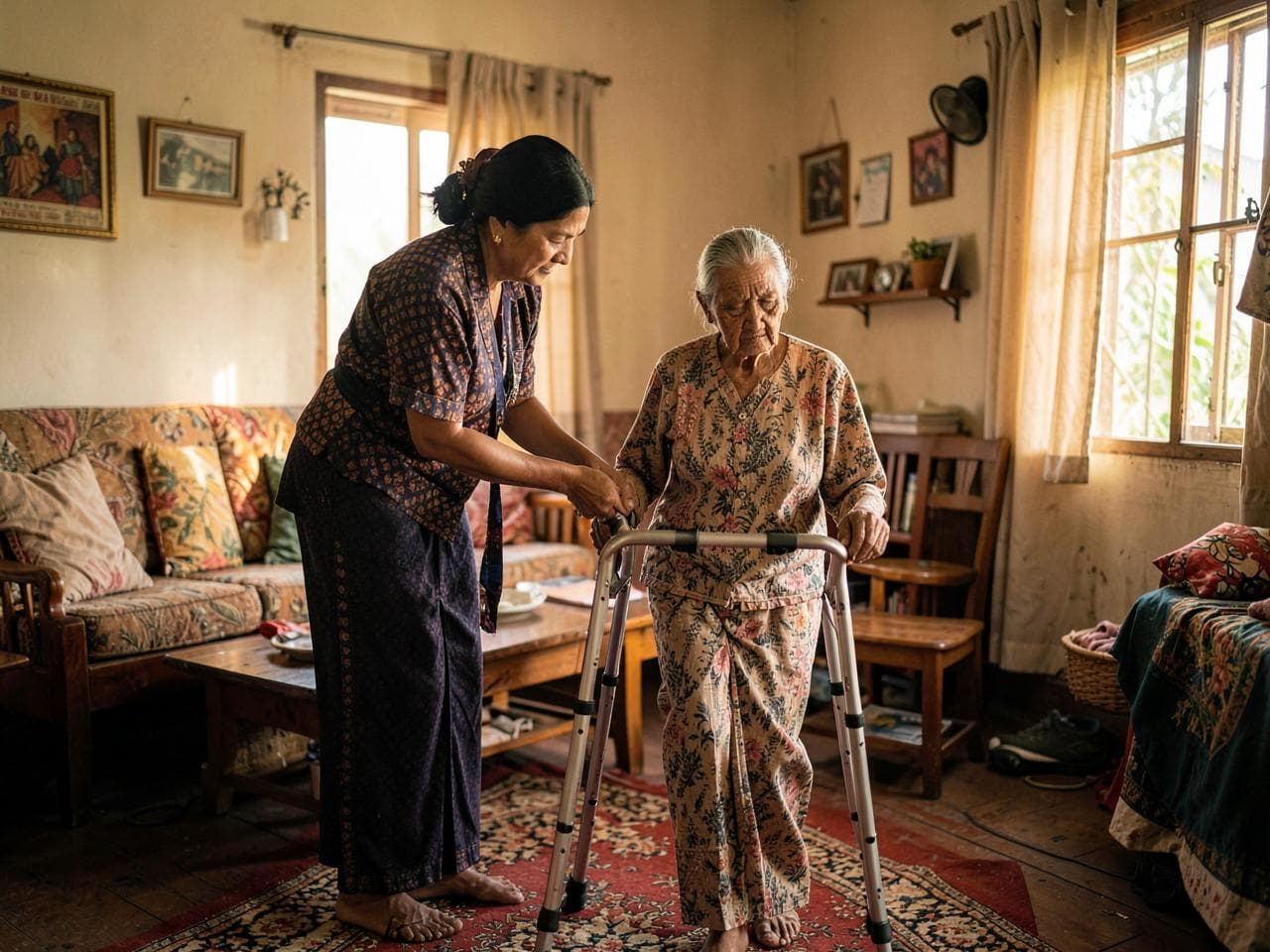
Most families do not decide on a caregiver in one dramatic moment. The decision arrives slowly, through small changes that are easy to explain away. If you live apart from an elderly parent, or you are busy with work and children, these are the signals worth taking seriously.
1. Medication is being missed or doubled
Check the pill box. Tablets left over on days they should have been taken, or an empty box too early in the week, mean the routine is slipping. For conditions such as diabetes, high blood pressure and heart disease, a few missed doses can quickly become a hospital visit.
2. Changes in weight, meals or the kitchen
Weight loss, a fridge full of spoiled food, or a parent who now eats only biscuits and tea are all signs that cooking and shopping have become too tiring. Poor nutrition slows healing and weakens the immune system.
3. Falls, bruises or a new fear of walking
Unexplained bruises, furniture-walking along walls, or avoiding stairs and the bathroom are warning signs. A first fall is often followed by a second, and hip fractures in particular can change an older person's independence for good.
4. Personal care is slipping
Unwashed clothes, infrequent bathing, neglected teeth or nails often have nothing to do with willingness. Bathing is physically demanding and can feel frightening. A caregiver can help with dignity and without turning it into a loss of independence.
5. Loneliness, low mood or confusion
Withdrawal, repeated questions, forgetting recent conversations, or getting lost on familiar routes may point to depression or memory problems. Please mention these to a doctor — and know that regular company from a patient caregiver helps on its own.
What to do next
- Talk with your parent first. Frame help as support, not as a loss of independence.
- Note which tasks are hardest — bathing, cooking, medicines, mobility, night safety.
- Start with a few hours a day or a few days a week; you can increase later.
- Ask any provider about background checks, training and who supervises the caregiver.
Arisha Nursing Home offers a free in-home assessment in Mohammadpur and across Dhaka, so you can see what level of help is actually needed before you commit. This article is general guidance and does not replace advice from your family's doctor.